
Georgia's Leading Commercial Wastewater Management Specialists
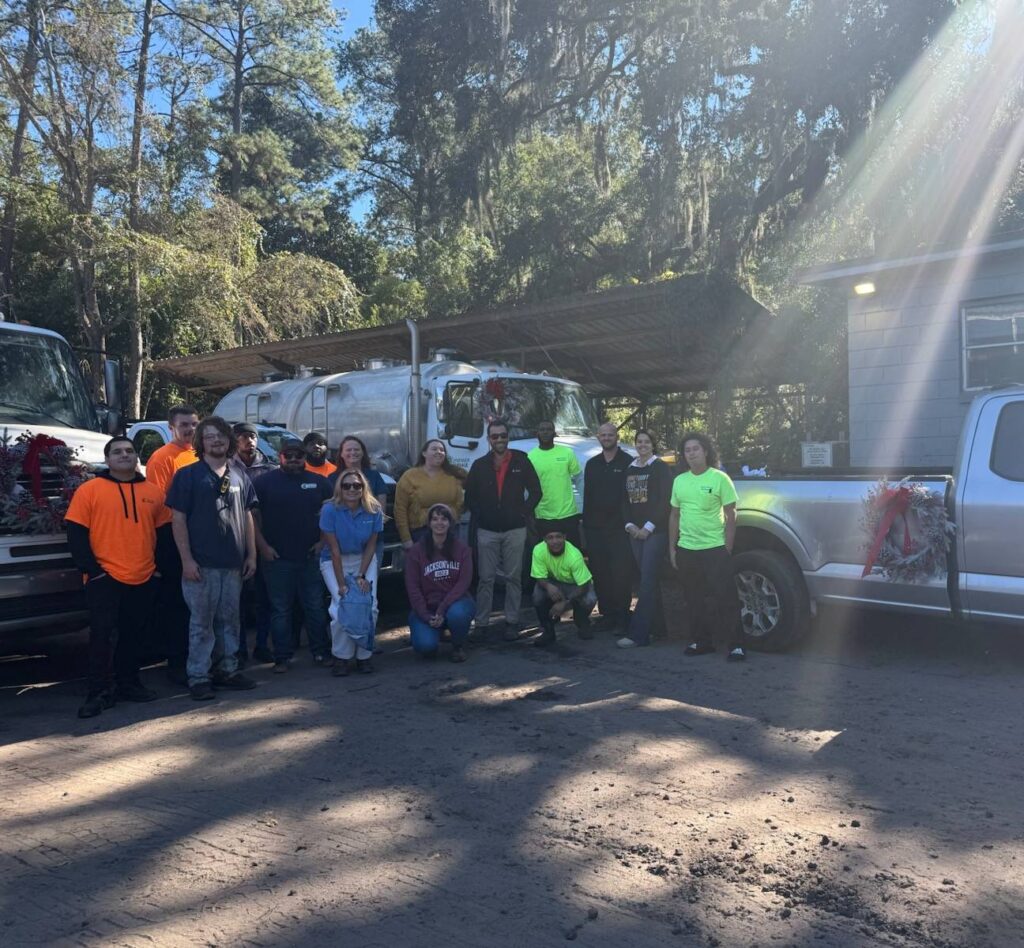
Premier Grease Saves You Time & Money
We Require No Contracts and Trust That Our Service Will Keep You Coming Back.
Welcome to Premier Grease, where we provide top-tier grease management solutions to keep your commercial kitchen running smoothly. Our expert services in hood cleaning, used cooking oil recycling, and grease trap cleaning are designed to ensure your kitchen remains safe, efficient, and compliant with all regulations. Whether you’re in need of routine maintenance or urgent service, our experienced team is dedicated to delivering reliable solutions to meet your specific needs.
- 24+ Years Experience
- Satisfaction Guaranteed
- Licensed, Bonded, Insured
- Free Estimates & Consultations
- Reliable Services You Can Count On
Send Us A Message
YES! We Reply To These Messages ASAP!
Specialized Non-Hazardous Wastewater Pumping Services
Grease Trap Wastewater Removal
- Complete liquid waste evacuation from all trap compartments
- Sediment and debris removal using powerful suction equipment
- System inspection during pumping to identify maintenance needs
- Proper waste transport to licensed treatment facilities
- Service documentation for regulatory compliance records
Floor Drain and Sump Pumping
- High-capacity pumping of accumulated wastewater
- Debris screening to protect disposal equipment
- Access point cleaning around drain covers and sumps
- Flow testing after pumping to verify proper drainage
- Emergency response for overflow situations
Wash System Wastewater Management
- Scheduled wastewater removal to prevent system overflows
- Sand trap and settling tank pumping for filtration systems
- Chemical-resistant pumping for specialized applications
- Multi-compartment system service with appropriate equipment
- Waste characterization for proper disposal classification
Advanced Vacuum Truck Fleet & Equipment
Dedicated Non-Hazardous Wastewater Trucks
- High-volume pumping capacity for efficient service delivery
- Dual-compartment tanks for different waste stream separation
- Powerful vacuum systems with adjustable suction control
- Filtration systems to protect pumping equipment
- Safety monitoring for operator and environmental protection
Professional Pumping Techniques
- Pre-service assessment of waste characteristics and volumes
- Systematic pumping patterns to maximize removal efficiency
- Real-time monitoring of pumping progress and system performance
- Post-service inspection to verify complete evacuation
- Equipment sanitization between service locations
Understanding Non-Hazardous Wastewater Classification
What Qualifies as Non-Hazardous Wastewater
- Grease trap contents and kitchen drainage
- Floor cleaning, water, and equipment wash water
- Dishwasher and pot sink drainage
- Walk-in cooler condensate and ice machine drainage
- Equipment cleaning and parts washing water
- Floor scrubber waste and janitorial drainage
- HVAC condensate and cooling system drainage
- General facility cleaning wastewater
- Tunnel wash recycling system waste
- Equipment bay drainage and chemical mixing waste
- Customer service area drainage
- Maintenance facility wastewater
Regulatory Classifications and Requirements
- Federal Regulations: Non-hazardous wastewater falls under EPA guidelines for industrial and commercial wastewater discharge. Facilities must comply with pretreatment standards when discharging to municipal systems.
- State and Local Requirements: Georgia facilities must obtain proper permits for wastewater generation and disposal. Local publicly owned treatment works (POTW) set specific limits for various contaminants.
- Documentation Requirements: Proper waste characterization and disposal documentation protect facilities from regulatory violations and demonstrate environmental compliance.
Why Choose Premier Grease for Wastewater Pumping
Specialized Equipment and Expertise
Our vacuum trucks are specifically configured for non-hazardous wastewater applications, providing superior pumping capacity and efficiency compared to general-purpose equipment.
Multi-Market Experience
Serving Atlanta, Savannah, and Jacksonville markets gives us extensive experience with various facility types, local regulations, and disposal requirements across different jurisdictions.
Reliable Service Scheduling
We work around your operational schedule to minimize business disruption, offering flexible scheduling including evenings, weekends, and emergency services.
Transparent Pricing Structure
Our straightforward pricing includes all service components without hidden fees, providing predictable costs for budgeting and planning purposes.
Local Georgia Company Understanding
As a Georgia-based company, we understand local environmental conditions, regulatory requirements, and business challenges specific to our operating areas.
We're the single contact for all your grease needs!

Service Scheduling and Maintenance Programs
Regular Service Programs
- Weekly Service (High-Volume Facilities): Suitable for busy restaurants, large car washes, and industrial facilities generating significant wastewater volumes daily.
- Bi-Weekly Service (Standard Commercial Operations): Appropriate for moderate-volume restaurants, multi-bay car washes, and manufacturing facilities with consistent wastewater generation.
- Monthly Service (Lower-Volume Operations): Ideal for smaller restaurants, seasonal facilities, and businesses with limited wastewater production.
- Quarterly Service (Minimal Generation): Designed for facilities with small grease traps or minimal wastewater generation requiring periodic maintenance.
Emergency Pumping Services
- System overflow emergencies requiring immediate pumping
- Equipment failure situations are causing wastewater backup
- Health department compliance issues requiring rapid response
- Weather-related problems, such as stormwater infiltration
- Scheduled service failures requiring emergency coverage
Proper Disposal and Environmental Compliance
Licensed Treatment Facility Network
- Municipal treatment plants accepting pretreated commercial wastewater
- Industrial treatment facilities specialize in commercial waste streams
- Recycling centers for wastewater with recoverable materials
- Approved disposal sites meeting all regulatory requirements
Transportation Safety and Documentation
- DOT-compliant vehicle operation and driver certification
- Proper waste containerization and secure transport
- Spill prevention equipment and emergency response procedures
- Regular equipment inspection and maintenance programs
- Waste characterization records for each service location
- Transport manifests documenting waste volumes and destinations
- Disposal facility receipts confirming proper waste handling
- Service records for customer compliance documentation
Benefits of Professional Wastewater Pumping
Prevents System Failures and Downtime
Maintains Regulatory Compliance
Protects Equipment and Infrastructure
Improves Workplace Safety and Sanitation
Reduces Long-Term Operational Costs
Warning Signs Requiring Immediate Pumping
Emergency Service Required:
- Wastewater overflow from grease traps or floor drains
- Back up into sinks or equipment drainage
- Strong sewage odors throughout the facility
- Standing water in normally dry areas
- Visible waste accumulation in accessible drainage points
- Equipment malfunction due to drainage problems
Schedule Service Soon:
- Slower than normal drainage in sinks or floor drains
- Gurgling sounds from drainage systems
- Occasional odors during peak usage periods
- Increased cleaning chemical usage to maintain results
- Water level changes in visible trap compartments
Getting Started with Premier Grease Wastewater Services
Free Facility Assessment
- Current system inspection and capacity evaluation
- Waste volume estimation based on facility operations
- Service frequency recommendations for your specific needs
- Regulatory compliance review for your industry
- Detailed service proposal with transparent pricing
Service Implementation
- Flexible scheduling to match your operational requirements
- Professional technician assignment with proper training and equipment
- Service documentation is provided after each visit
- Ongoing communication to address questions or concerns
- Program adjustments based on changing facility needs
Contact Premier Grease for
Wastewater Pumping Services