
Grease Trap Cleaning Services - Premier Grease

Premier Grease is a leading grease trap cleaning company specializing in thorough, reliable, and efficient maintenance for grease traps and grease interceptors. We provide professional grease trap cleaning services to prevent blockages, reduce odors, and maintain optimal kitchen performance. Our team uses efficient equipment to thoroughly remove grease, oils, and solids that can cause plumbing issues, slow drainage, and costly repairs. Regular grease trap maintenance is essential to preventing clogs, ensuring smooth operations, and meeting industry standards for cleanliness and safety. With Premier Grease handling your grease trap management, you can focus on running your business while we ensure your kitchen systems operate at peak efficiency.
1 Premier Grease

Premier Grease Saves You Time & Money

We Require No Contracts and Trust That Our Services Will Keep You Coming Back

Welcome to Premier Grease, where we provide top-tier grease management solutions to keep your commercial kitchen running smoothly. Our expert services in hood cleaning, used cooking oil recycling, and grease trap cleaning are designed to ensure your kitchen remains safe, efficient, and compliant with all regulations. Whether you’re in need of routine maintenance or urgent service, our experienced team is dedicated to delivering reliable solutions to meet your specific needs.

2 e1760544323386 Premier Grease
7 e1760545409578 Premier Grease

Send Us A Message

YES! We Reply To These Messages ASAP!

Our Grease Trap Services Include:

Comprehensive Cleaning Process

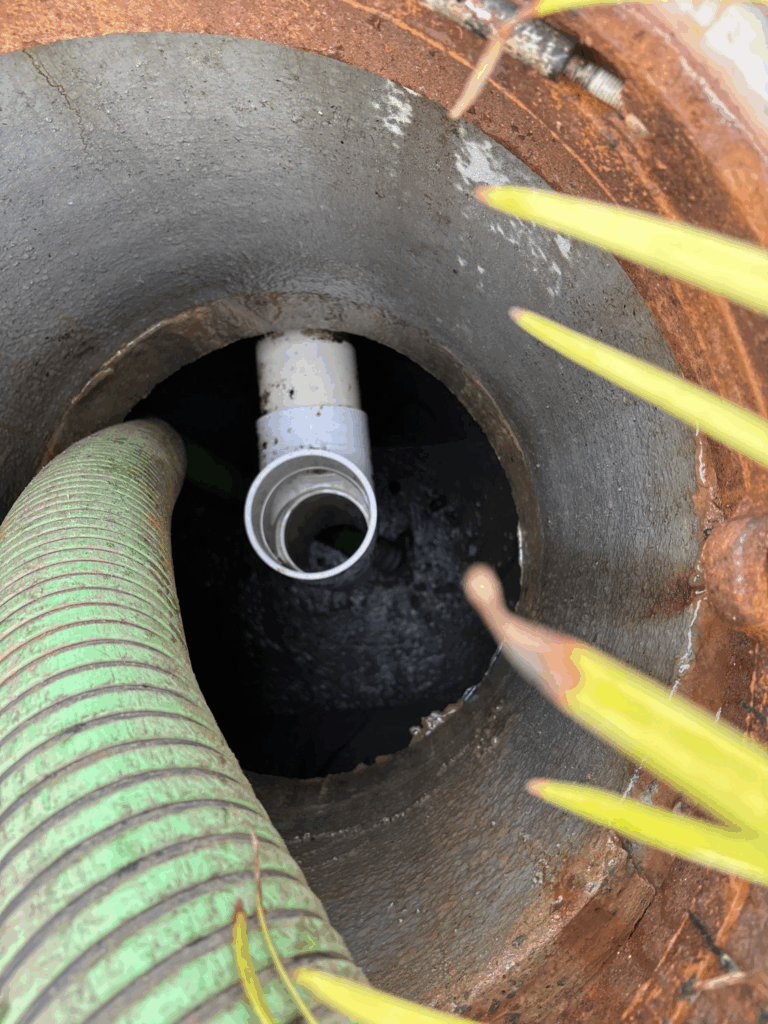
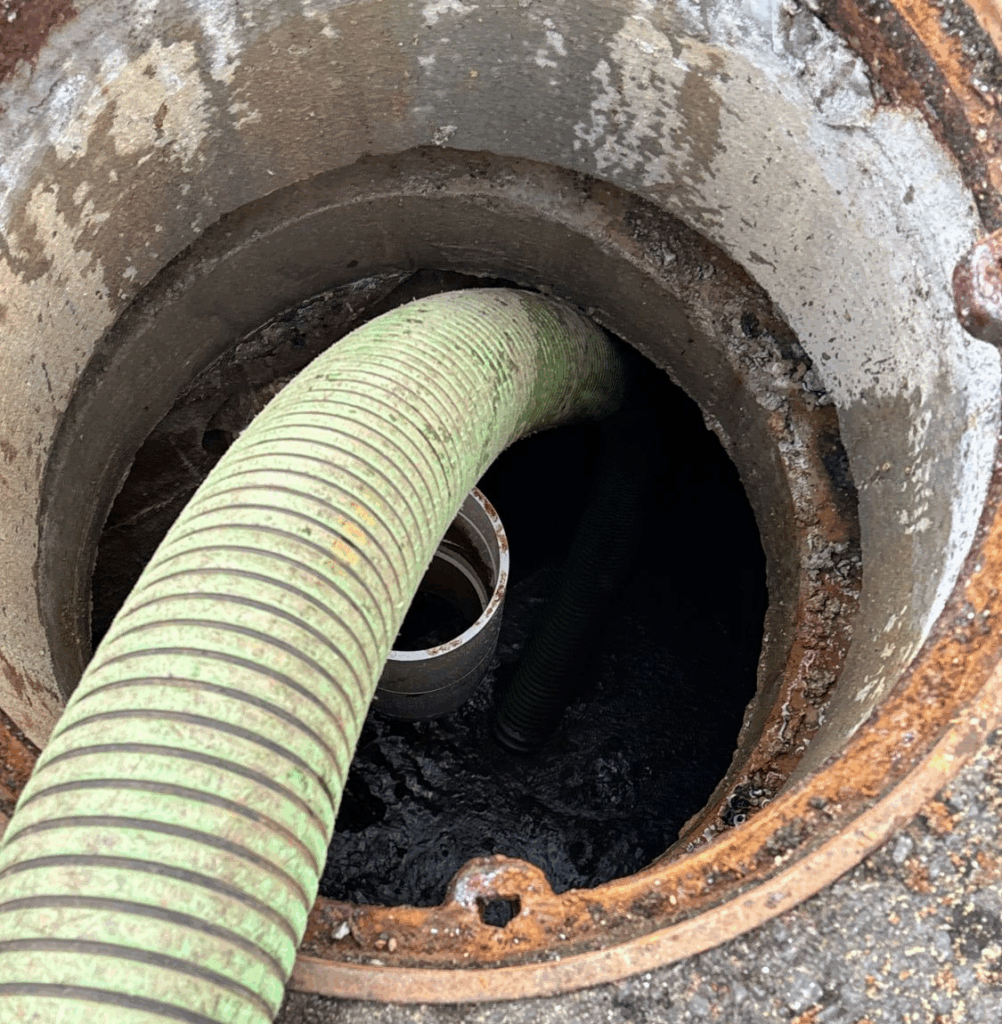
Our grease trap cleaning service ensures that every aspect of your system is thoroughly cleaned and maintained. We begin by using high-powered vacuums designed to efficiently remove the accumulated grease, oils, and sludge. Once the trap is cleaned, we don’t just stop there; we perform a meticulous inspection to confirm that everything is functioning properly, ensuring that there are no underlying issues affecting your system’s performance. This detailed cleaning process minimizes the risk of blockages and keeps your kitchen operations running smoothly without interruptions.

Routine Maintenance Plans

With our customized maintenance schedules, we provide you with the peace of mind that your grease trap will remain in optimal condition year-round. These plans include regular inspections, where we assess the state of your grease trap and clean it as necessary, ensuring that buildup doesn’t have the chance to cause issues. Our proactive approach prevents expensive emergency repairs and system breakdowns, helping your kitchen stay compliant with health regulations and reducing unexpected downtime.

Emergency Services

When grease buildup becomes excessive or unexpected, we understand that the problem needs to be addressed immediately. Our emergency grease trap cleaning service ensures quick and effective solutions, allowing you to return to normal kitchen operations with minimal delay. Our team is equipped to handle urgent situations, preventing prolonged downtime and protecting your establishment from the consequences of an overflowing grease trap.

Compliance Verification

Ensuring your grease trap is compliant with local and federal regulations is crucial for your business to avoid costly fines and health violations. After each cleaning, our team conducts a thorough verification to ensure that your system meets the required standards. We also provide you with a detailed service report, confirming that your grease trap is functioning as intended, which can be used as proof of compliance for inspections or audits.

Sustainable Disposal Methods

We are committed to environmentally responsible practices in all areas of our business, including the disposal of waste generated from grease trap cleanings. We ensure that all the grease, oils, and sludge removed from your system are disposed of in an eco-friendly manner, following strict regulatory guidelines. Much of the waste is recycled into biofuel, which contributes to reducing your business’s environmental impact while promoting sustainability within the foodservice industry.

Benefits of Regular Grease Trap Cleaning

Prevents Blockages and Backups

Regular cleaning and maintenance of your grease trap prevent the buildup of grease that can clog your pipes and disrupt kitchen operations. Blockages can lead to slow drainage, unpleasant odors, and even plumbing failures, which can cause costly repairs and shutdowns. A clean grease trap ensures that your kitchen operates smoothly without interruptions, avoiding any potential disruptions caused by plumbing issues.

Maintains Health and Safety Standards

Keeping your grease trap clean is an essential part of maintaining a healthy and safe kitchen environment. Regular cleanings ensure that your establishment complies with all local health regulations, helping you avoid potential fines and health violations. By maintaining these standards, you not only protect your kitchen but also ensure a safe environment for both your staff and customers.

Saves on Long-Term Costs

Investing in regular grease trap cleanings can save your business a significant amount of money in the long run. By preventing major blockages and reducing the risk of plumbing failures, you can avoid costly repairs and downtime. Additionally, regular maintenance helps extend the lifespan of your grease trap, protecting your investment and reducing the need for expensive replacements.

Why Choose Premier Grease For Grease Trap Cleaning?

Experienced Technicians

Premier Grease’s technicians have years of experience in grease trap cleaning, providing thorough and effective service while staying current with industry standards and regulations for compliance.

Excellence in Every Cleaning

Our team uses reliable equipment and eco-friendly products to provide high-quality grease trap cleaning, preventing grease buildup and ensuring your system operates optimally.

Proactive Approach to Maintenance

With our proactive maintenance plans, we prevent issues before they arise, keeping your grease trap in top condition and reducing the need for costly repairs or failures.

Fast Emergency Services

Premier Grease offers fast, reliable emergency grease trap cleaning services to address grease buildup and system failures quickly, minimizing disruption to your kitchen.

Commitment to Environmental Responsibility

We prioritize environmental responsibility by recycling grease and sludge into biofuel, supporting sustainability and reducing your business's environmental impact.

We're the single contact for all your grease needs!

Our Grease Trap Cleaning Process

1. Initial Inspection and Assessment

We start with a detailed inspection of your grease trap to assess its condition and grease levels. This allows us to determine the best approach for cleaning and ensures that no underlying issues are overlooked.

2. Pumping Out Grease and Waste

Using specialized vacuum equipment, we remove the grease, oils, and sludge from your grease trap. This step is essential for maintaining the trap’s effectiveness and ensuring minimal disruption to your kitchen’s operations.

3. Cleaning and Scrubbing the Interior

After removing the waste, we scrub the interior of the grease trap to eliminate stubborn grease residues. Our eco-friendly cleaning products ensure that the trap is clean without causing harm to the environment.

4. Disposing of Waste Responsibly

We dispose of the waste in compliance with local regulations and recycle much of the grease into biofuel. This sustainable practice reflects our commitment to eco-friendly grease management.

5. Final Inspection and Compliance Check

Our team conducts a final inspection to verify that the grease trap is fully functional and compliant with all health and safety codes. We provide a detailed service report for your records, offering you peace of mind that your kitchen’s grease trap system is in optimal condition.

Why Grease Trap Cleaning Is Important for Health Code Compliance

1. Prevents Blockages and Backups:

One of the most significant health risks associated with grease buildup is the potential for blockages in your plumbing system. Over time, accumulated grease can clog pipes and cause wastewater to back up, resulting in foul smells and unsanitary conditions. Health inspectors may issue a violation if your kitchen experiences a backup or plumbing failure due to improper grease trap maintenance.

2. Maintains Proper Drainage and Hygiene:

A clean grease trap ensures that wastewater flows freely, preventing it from pooling or backing up into sinks and drains. Health codes often mandate that commercial kitchens maintain a hygienic environment to prevent cross-contamination and foodborne illnesses. Regular cleaning of your grease trap reduces the risk of unsanitary water stagnation, which could lead to health code violations.

How Often Should I Clean My Grease Trap?

Cleaning your grease trap regularly is essential to avoid clogs, unpleasant odors, and potential plumbing issues. The frequency of cleaning largely depends on the size of your grease trap and the volume of grease your kitchen generates. As a general rule, it’s recommended to clean your grease trap every 1 to 3 months for most commercial kitchens. However, high-volume kitchens or establishments that produce a lot of grease, like restaurants or cafeterias, may need more frequent cleanings. Establishing a regular cleaning schedule with a professional grease trap service ensures your system runs efficiently and complies with local health regulations.

What Happens If I Don’t Clean My Grease Trap?

Neglecting to clean your grease trap can lead to several serious problems that can disrupt your kitchen operations. Over time, grease and food waste build up in the trap, causing blockages and slow drainage, which can result in unpleasant odors and potential sewage backups. If left unaddressed, a clogged grease trap can lead to costly plumbing repairs or even damage to your kitchen’s plumbing system. Moreover, failure to clean your grease trap may result in health code violations and fines, as improper maintenance of grease traps is often regulated by local health departments to ensure public safety and hygiene in foodservice operations.

What Are the Signs That My Grease Trap Needs Cleaning?

There are several signs to look for that indicate your grease trap needs attention. One of the most common signs is slow drainage in your sinks, which can occur when the grease trap becomes clogged with food waste and grease. Additionally, if you notice unpleasant odors in your kitchen or near your drains, this could be a sign that your grease trap is full and needs cleaning. Another indication is a visible accumulation of grease or food particles in the trap, which can be seen through the access cover or inspection port. Regular monitoring of these signs and scheduling timely cleanings can help avoid more serious issues, ensuring your kitchen runs smoothly and stays compliant with health and safety standards.

How Does Grease Trap Cleaning Prevent Plumbing Issues?

Regular cleaning is essential to prevent costly repairs, ensure compliance with health codes, and maintain a safe and functional kitchen. Here are the key ways grease trap cleaning helps prevent plumbing issues:

Prevents Clogs and Blockages:

As grease accumulates in the trap, it hardens and thickens, which can cause the trap and connected pipes to become clogged. When a grease trap is left unchecked, this hardened grease can flow into the plumbing system, obstructing pipes and leading to severe clogs. Regular cleaning ensures that the trap does not exceed its capacity and prevents the buildup of grease that could block the flow of wastewater.

Maintains Proper Flow of Wastewater:

Grease traps are designed to intercept grease and allow wastewater to flow smoothly into the sewer system. When the trap is full of accumulated grease, it disrupts this process, causing slow drainage, unpleasant odors, and potential backups in sinks and drains. A properly maintained grease trap ensures that wastewater flows efficiently, reducing the risk of plumbing problems like slow drains or overflow.

Reduces Pressure on Plumbing System:

When grease builds up in the trap, it places added pressure on your kitchen’s plumbing system. This pressure can lead to pipe cracks, leaks, and even complete system failures. Cleaning the grease trap regularly keeps the system in good working condition and reduces the strain on your pipes, extending the life of your plumbing.

We're the single contact for all your grease needs!

What to Do If My Grease Trap Overflows?

An overflowing grease trap is a serious issue that can lead to plumbing problems, health code violations, and an unsanitary kitchen environment. If you notice an overflow, it’s essential to act quickly to prevent further damage and avoid operational disruptions. Here’s a step-by-step guide on what to do if your grease trap overflows:

1. Stop Using the Affected Drain Immediately

As soon as you notice that your grease trap is overflowing, the first thing to do is stop using the affected sink or drain. Continuing to use it can worsen the problem and allow more grease and wastewater to back up into the system. Shut off any appliances or drains connected to the grease trap to prevent further wastewater flow.

2. Contain the Overflow

If the overflow is spilling onto the floor, try to contain it to prevent the spread of grease and wastewater. Use absorbent materials like towels, rags, or sandbags to soak up the excess liquid. This helps prevent slip hazards, foul odors, and further contamination in your kitchen.

3. Assess the Situation

After containing the overflow, assess the severity of the situation. Look for signs of clogs or blockages in the drain or grease trap. If the grease trap is visibly full, this could indicate a need for immediate cleaning. However, if you see significant plumbing damage, you may need to call a professional plumber for further inspection.

4. Call a Professional Grease Trap Cleaning Service

If your grease trap is overflowing, it’s a clear sign that it needs to be cleaned. Contact a professional grease trap cleaning service to schedule an emergency cleaning as soon as possible. A licensed technician will inspect the trap, remove any grease buildup, and restore proper function to the system.

5. Inspect for Plumbing Damage

In some cases, the overflow may have caused damage to the plumbing system, including leaks, cracks, or blocked pipes. A professional plumber can help identify any damage caused by the overflow and perform necessary repairs. If left unaddressed, plumbing issues can lead to costly repairs and further operational disruptions.

6. Check for Health Code Violations

An overflowing grease trap may lead to unsanitary conditions in your kitchen, potentially resulting in health code violations during inspections. It’s essential to document the issue and the steps taken to resolve it, such as contacting professionals for cleaning and repairs. Maintaining proper records can help you stay compliant and avoid fines or closures during health inspections.

7. Prevent Future Overflows with Regular Maintenance

Once the grease trap has been cleaned and the plumbing is restored, it’s essential to prevent future overflows by establishing a regular grease trap cleaning schedule. Depending on the size of your grease trap and the amount of grease your kitchen generates, you may need to clean the trap more frequently to avoid future overflows. Routine cleaning and proper maintenance can help ensure that your grease trap functions properly and remains free of blockages.

Grease Trap Cleaning Regulations and Compliance in Georgia

Grease trap cleaning is an essential part of maintaining a safe, sanitary, and efficient commercial kitchen. In Georgia, businesses are required to follow strict grease trap cleaning regulations to meet local health and safety standards and prevent plumbing issues. Regular cleaning not only helps to avoid unpleasant odors and blockages but is also crucial for maintaining compliance with environmental and health regulations that protect public health and the integrity of local water systems.

Grease Trap Regulations in Georgia

1. Local Codes and Health Department Requirements:

Local regulations in Georgia require restaurants, hotels, and other foodservice establishments to maintain properly functioning grease traps. These regulations dictate the frequency of cleaning, size of the grease trap, and installation standards. Each local health department may have slightly different guidelines, so it’s important to be familiar with specific rules for your area.

2. Environmental Protection Agency (EPA) Guidelines:

The EPA sets federal standards for managing fats, oils, and grease (FOG) in wastewater. Georgia’s regulations are closely aligned with these federal guidelines, emphasizing the importance of keeping grease from entering public sewer systems. Failure to properly dispose of FOG can result in environmental pollution and significant fines.

3. Georgia’s Plumbing Codes:

Under Georgia’s plumbing codes, grease interceptors and traps must be installed and maintained to ensure that no fats, oils, and grease are discharged into the public sewer system. This is to prevent grease blockages in sewer lines, which can lead to backups and other costly plumbing problems. Georgia law also requires the proper disposal of waste from grease traps, ensuring it doesn’t harm the environment.

Cleaning Requirements and Frequency

The cleaning frequency for grease traps in Georgia is determined by several factors, including the size of the trap and the volume of grease waste generated by the establishment. Restaurants and kitchens with high grease output may require more frequent cleaning, typically every 1–3 months, while smaller establishments might clean theirs less often. Georgia’s health and plumbing codes often stipulate that grease traps should be cleaned when the accumulation of grease reaches 25% of the trap’s total capacity.

1. Routine Cleaning

Businesses are generally required to have grease traps cleaned regularly to prevent the buildup of FOG and to ensure compliance with state and local regulations. Routine cleaning should be conducted by professionals to ensure proper disposal and maintenance.

2. Documentation of Cleaning

Proper documentation of grease trap cleaning services is essential for compliance. Keeping accurate records of cleaning schedules, maintenance checks, and service provider details can help businesses demonstrate that they are meeting local regulations during health and fire inspections.

Hiring Certified Grease Trap Cleaning Services

To ensure full compliance with Georgia’s regulations, it’s important to hire certified professionals for grease trap cleaning. These specialists understand the complexities of local codes, are familiar with proper disposal methods, and use the right equipment to clean and maintain your grease trap. They also provide you with necessary documentation, proving that your business is following all applicable regulations.

Consequences of Non-Compliance

Failure to maintain or clean your grease trap according to Georgia’s regulations can result in significant fines, costly plumbing repairs, or even the closure of your business until compliance is achieved. In some cases, improper grease disposal can lead to environmental violations, with penalties from local and state environmental agencies. Additionally, regular grease trap maintenance helps avoid potential health code violations related to unsanitary kitchen conditions or plumbing issues.

Best Practices for Compliance

1. Schedule Regular Cleanings

Set up a regular cleaning schedule based on your kitchen’s grease output and the capacity of your grease trap.

2. Keep Detailed Records

Maintain thorough records of all cleaning and maintenance services, including dates and service provider information.

3. Monitor Grease Levels

Regularly inspect your grease trap and monitor the buildup of FOG to ensure timely cleaning.

4. Hire Professionals

Work with certified grease trap cleaning services that understand the local Georgia codes and ensure that all maintenance and disposal procedures are properly followed.

How to Find a Reliable Grease Trap Cleaning Company Near You in Georgia

When looking for a reliable grease trap cleaning company in Georgia, it’s important to do your research to find a reputable and experienced provider. Start by asking for recommendations from fellow business owners or colleagues in the foodservice industry who have used similar services in Georgia. Online reviews and ratings can also provide valuable insight into the company’s service quality, responsiveness, and customer satisfaction. Be sure to verify that the company is fully licensed and insured and meets Georgia’s local health and safety standards for grease trap cleaning.

A reliable Georgia-based grease trap cleaning company should offer transparent pricing, clear communication about the cleaning process, and a thorough understanding of local regulations. It’s beneficial to inquire about their experience with grease traps in commercial kitchens similar to yours, as different systems may require specialized knowledge. Additionally, ask for a service contract that includes scheduled cleaning intervals to ensure your grease trap stays well-maintained and compliant with health codes. By choosing a trusted, experienced grease trap cleaning service in Georgia, you’ll keep your kitchen running smoothly and safely while adhering to all local regulations.

Trust Premier Grease for Reliable Grease Trap Cleaning

At Premier Grease, we understand the importance of maintaining a fully functional and clean grease trap to ensure your kitchen in Georgia runs smoothly and complies with health and safety regulations. Whether you’re dealing with an overflow or simply want to stay ahead of potential issues, our expert team is here to provide efficient grease trap cleaning and maintenance services. By keeping your grease trap in top condition, you prevent plumbing issues, avoid health code violations, and ensure a clean and safe kitchen environment for your staff and customers. Let us help you maintain a safe and compliant kitchen operation, so you can focus on what matters most—your business.

Call Premier Grease for Reliable
Grease Trap Services

Frequently Asked Questions

1. How often should I have my grease trap cleaned?

This entirely depends on your unique situation, usage, size of grease trap etc.  Call us to determine the appropriate service schedule.  It is always advised to service your grease trap periodically, and before it is full to prevent an overflow situation.  

2. What happens if I don’t clean my grease trap regularly?

Failure to clean your grease trap regularly can lead to blockages, backups, and plumbing issues. It can also result in health code violations and fines, which can harm your business.

3. Can I clean my grease trap myself?

While you can clean your grease trap yourself, professional service is recommended to ensure thorough cleaning and regulatory compliance. Legally disposing of grease waste is usually the challenge, and we send it to the proper recycling facilities.

4. What’s the cost of grease trap cleaning?

The cost of cleaning depends on the size of your grease trap and the level of buildup. We offer competitive pricing and customized maintenance plans to fit your budget and needs.

5. Is the grease disposal process environmentally friendly?

Yes, we prioritize sustainable disposal methods. Grease and sludge are disposed of in compliance with regulations, and much of the grease is recycled into biofuel, supporting eco-friendly practices.

6. How do I know if my grease trap is working properly?

Signs such as slow drainage, unpleasant odors, or frequent backups may indicate that your grease trap needs cleaning. Our experts will assess your system to ensure it is functioning properly.

7. Can grease trap cleaning prevent clogs in my plumbing?

Yes, regular cleaning helps prevent grease buildup in your pipes, which can cause clogs and lead to costly plumbing repairs. A clean grease trap ensures smooth drainage.

8. What equipment do you use to clean grease traps?

We use high-powered vacuum equipment and eco-friendly cleaning solutions to ensure your grease trap is thoroughly cleaned. Our tools are designed to reach every corner of your system for optimal results.

9. Can I schedule emergency grease trap cleaning?

Yes, we offer emergency services to address unexpected grease buildup. Our team will respond quickly to minimize downtime and keep your kitchen running smoothly.

10. Do you offer maintenance plans for grease trap cleaning?

Yes, we offer customized maintenance plans that include scheduled inspections and regular cleanings to keep your grease trap in top condition. These plans help you avoid costly repairs and ensure compliance with health and safety regulations.